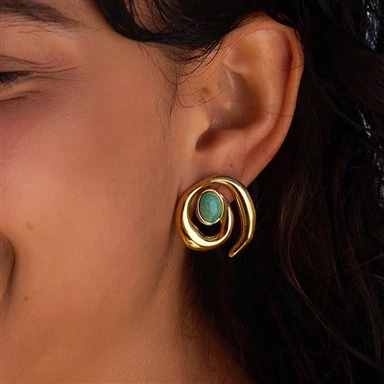

Gold Plated vs Gold Vermeil on Silver: What Plating Thickness Does Your Brand Really Need?
Jun 12, 2026
For veteran buyers curating 925 sterling silver jewelry lines, picking between standard gold plating and gold vermeil is not just aesthetic-it is a calculated call tied to plating thickness, wear performance, and long-term brand reputation, based on standardized factory production metrics.
Standard Gold Plating
Constructed with 100% authentic 14K, 18K, or 22K liquid gold, conventional gold plating runs a thin layer of only 0.03μm–0.05μm. This low-cost finish serves volume-focused wholesale jewelry and fast-fashion seasonal assortments well. From real-world wear testing, consistent luster holds for 6–12 months under regular daily use; it remains a viable tier for entry-price SKUs where turnover speed outweighs multi-year durability demands.
Gold Vermeil on Sterling Silver
Vermeil adheres the same pure liquid gold onto solid sterling silver, split into two calibrated thickness tiers aligned with formal manufacturing specs:
· 1μm–2.5μm: Delivers reliable 1–2 years of color stability, the sweet spot for core everyday collections and scaling private label jewelry aiming for mid-market quality positioning.
· 2.5μm–3μm: Our top-tier vermeil grade boasts up to 3 years of robust resistance to sweat oxidation, surface scuffs, and frequent contact wear. This heavy deposit is non-negotiable for premium custom jewelry built for repeat, long-ownership consumer bases.
Expert Sourcing Insight
Established jewelry operators rely on a segmented dual-finish roadmap: deploy thin gold plating for quick-turn, budget entry styles, and reserve thick vermeil for high-margin hero sets to capture segmented consumer spending. As a full-service OEM jewelry manufacturer, we fabricate every thickness variant listed in our custom material technical sheet, enabling precise cost-quality alignment for global brand partners at any market tier.