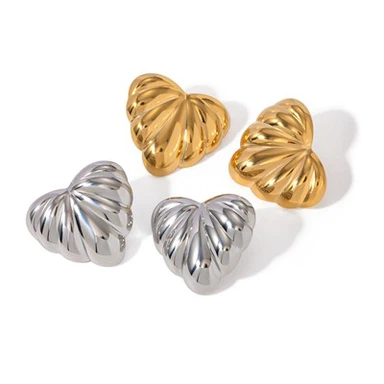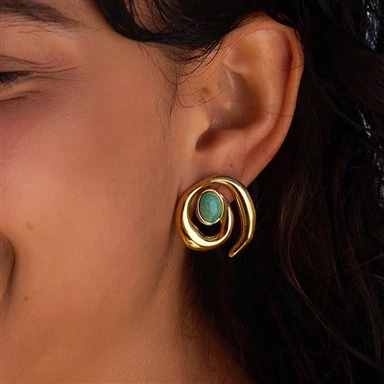

Why Surface Polishing Matters Before PVD Coating
May 27, 2026
As demand for PVD jewelry, 316L stainless steel jewelry, and tarnish resistant jewelry continues to grow, more brands are realizing that premium finishing starts long before coating begins.
For buyers sourcing PVD jewelry wholesale or working with a professional PVD jewelry manufacturer, polishing quality is becoming a major factor in long-term product performance.
1. Surface Smoothness Directly Affects PVD Adhesion
In professional jewelry manufacturing, PVD coating performs best on perfectly polished surfaces.
Even tiny scratches, uneven textures, or rough edges can affect coating adhesion and light reflection. This often leads to uneven gold tone, reduced shine, or shorter coating lifespan in gold plated stainless steel jewelry.
That's why experienced manufacturers spend significant time on mirror polishing and precision edge finishing before coating begins.
2. Polishing Defines the Final Luxury Appearance
Many buyers focus only on coating color, but polishing quality actually determines much of the final visual effect.
High-quality polishing creates cleaner reflections, smoother edges, and a more refined texture - especially important for minimalist jewelry, PVD coated jewelry wholesale, and premium fashion jewelry collections.
Without proper polishing preparation, even advanced PVD technology cannot fully achieve a luxury finish.
3. Stable Pre-Coating Standards Improve Batch Consistency
Leading OEM jewelry manufacturers increasingly standardize polishing direction, surface texture, and finishing procedures to improve batch consistency and long-term quality stability.
For modern jewelry brands, premium quality is no longer only about plating technology - it starts with manufacturing precision before PVD coating even begins.