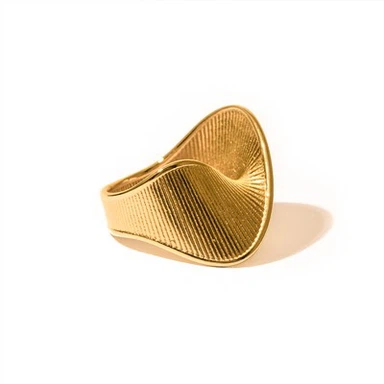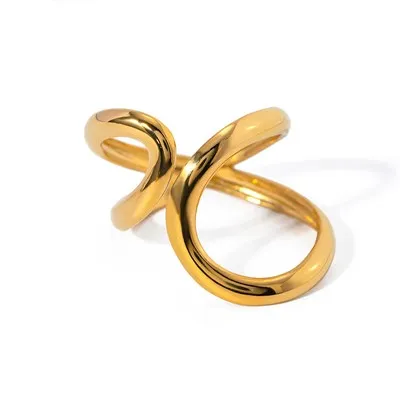

What Really Determines Real PVD Jewelry Quality?
May 22, 2026
As demand for PVD jewelry, 316L stainless steel jewelry, and tarnish free jewelry continues to grow, more buyers are realizing that not all PVD coating delivers the same performance.
1. Base Material Comes First
High-quality 316L stainless steel creates a cleaner and more stable surface for coating adhesion. This directly affects scratch resistance, color retention, and long-term durability.
Lower-grade metals may look similar initially, but they often lead to peeling, fading, or uneven finishes after repeated wear.
For experienced OEM manufacturers, strong base material quality is the foundation of premium gold plated stainless steel jewelry.
2. Surface Preparation Is the Hidden Difference
Before coating begins, professional factories spend significant time on polishing and deep cleaning.
Even tiny surface imperfections can affect coating consistency. Poor surface preparation often causes uneven color, weak edge coverage, and shorter product lifespan.
This is one reason why some tarnish resistant jewelry maintains its shine for years while others quickly lose color.
3. Process Stability Determines Long-Term Quality
Real PVD quality also depends on vacuum stability, coating thickness, and batch consistency.
Unstable coating processes often create noticeable color differences between production batches - a major concern for private label brands and wholesale buyers.
Today, buyers want more than a gold finish. They want reliable high quality stainless steel jewelry with consistent long-term performance.
In modern jewelry manufacturing, real PVD quality is not just about plating - it's about complete process control.